Hey everyone! Fiberglass Tape
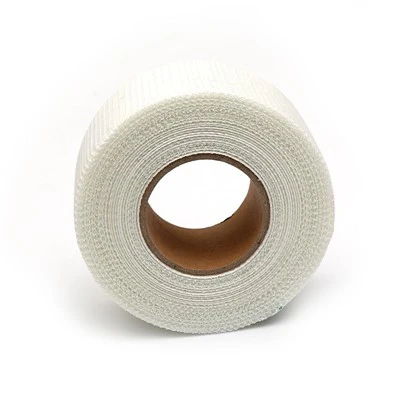
If you’ve ever worked with fiberglass tape—whether you’re a DIYer patching up drywall, a contractor tackling insulation, or someone just curious about how this stuff actually gets cut—you know it’s not as straightforward as grabbing any old pair of scissors. As someone who’s been in the fiberglass tape game for years (yeah, I’m the guy on the supplier end who gets all the “wait, how do I cut this without it unraveling?” DMs), let me break this down like we’re hanging out in the warehouse, not some boring manual.
First off, let’s get one thing straight: fiberglass tape isn’t like masking tape or duct tape. It’s woven with tiny, strong glass fibers that are sharp as hell if you’re not careful, and if you cut it wrong? You’ll end up with frayed edges that defeat the whole purpose—whether that’s a clean seam on drywall or a tight fit around pipes. I’ve seen so many folks ruin a whole roll (and waste money) just because they grabbed the wrong tool. Let’s start with the basics: why cutting fiberglass tape is different. The woven glass strands don’t “tear” cleanly like fabric—they snap unevenly, and since it’s usually coated with something (resin or acrylic, depending on the type) to make it stick, you’ve got a layer that can gum up tools if you’re not prepared.
Now, let’s talk about the tools that actually work. Spoiler: your kitchen scissors from high school art class? Skip those. They’ll get gummy, and the blades will dull fast. The gold standard around here? A pair of heavy-duty shears—like metal shears, not those plastic ones for gardening. Wait, not just any metal shears: make sure they’re sharp, and not the ones you use for cutting wire (those will have rough edges that snag the tape). I keep a dedicated pair of 8-inch titanium-bladed shears just for fiberglass tape in my truck. No cross-use—trust me, it’s worth the extra second to label them.
But if you’re in a pinch and don’t have heavy-duty shears? A utility knife works too—but only if you do it right. Wait until you’re on a flat, stable surface (like a workbench, not your lap), and lay the tape flat, no wrinkles. Put a straight edge (a metal ruler, a level, whatever’s long enough) along the line you want to cut, then run the utility knife along it, applying steady, even pressure. Don’t saw back and forth—that’s how you get frayed edges. One smooth slice, and if it’s still holding, go over it once more. I’ve used this trick on job sites when I forgot my shears, but it’s not ideal for long, straight cuts (the ruler can slip) or heavy-duty fiberglass tape.
Another tool I swear by: a rotary cutter. If you’re cutting a lot of tape (say, for a big drywall job or a bulk order you’re prepping for a supplier), a rotary cutter with a sharp, 45mm blade is a game-changer. It cuts through the woven fibers cleanly, and since it’s a rolling blade, you don’t have to worry about slipping. I have a friend who runs a contracting company and uses a rotary cutter for every roll—he cuts through 50 feet of tape in like 10 seconds, no frays, no mess.
Now, let’s talk about the wrong ways to cut fiberglass tape, because I’ve seen so many people make these mistakes. First, don’t use fabric scissors. Yeah, I know fabric scissors are sharp, but the small, fine blades can’t handle the density of fiberglass tape. You’ll end up with bent blades and a tape edge that’s more “mess” than “cut.” Second, don’t tear it. Wait—wait a second, some people swear by tearing fiberglass tape? No, they don’t. Let’s get real: if you tear it by hand, you’re pulling the fibers at an angle, which makes the edge fray immediately. The only time “tearing” works is if the tape has a pre-perforated line (some specialty tapes do), but that’s not the standard stuff we supply. Third, don’t use dull blades. A dull utility knife or shear will crush the tape instead of cutting it, making the edge impossible to work with. I check my blades every morning—no exceptions.
Here’s a pro tip most people don’t know: if you’re cutting heavy-duty fiberglass tape (the stuff used for insulation or structural repairs, not the thin drywall tape), pre-mark your cut line with a permanent marker first. The coating on the tape can be translucent, so marking it gives you a clear guide, and the marker soaks into the weave a little so you don’t accidentally cut off-line. Also, if you’re worried about the fibers sticking to your hands or clothes, rub a little bit of talcum powder on the tape before cutting. It cuts down on static, and the fibers don’t cling as much. I learned that the hard way after a job where my shirt was covered in tiny glass strands for three days—never again.
Wait, what about if you’re working on a curved cut? Like, around a pipe or a corner? That’s where most people panic. Curved cuts need a sharp pair of scissors (yes, a good pair of heavy-duty scissors, not shears) that can follow the curve without snag. Cut slow, follow the curve closely, and make small, snappy cuts instead of big ones. If you try to cut a big curve in one go, you’ll end up with a wavy edge. I always recommend testing the curve on a scrap piece of tape first—takes 2 seconds, and saves you from messing up the actual job.
Now, let’s talk about care, because if you take care of your cutting tools, they’ll last forever. After every use, wipe your shears or rotary cutter blade with a clean rag (maybe with a little rubbing alcohol, to get rid of the resin gunk). If you leave tape residue on the blades, they’ll get dull fast, and next time you use them, they’ll crush the tape. I keep a little bottle of isopropyl alcohol in my warehouse and in my work truck—non-negotiable. Also, don’t store your shears open. Close them up, maybe even put a blade cover on your utility knife—keeps the blades sharp and prevents accidents.
As a supplier, I get asked all the time: “Does the type of fiberglass tape matter for cutting?” And the answer is yes, a little. The thin, woven drywall tape (usually 2-inch or 3-inch) is super easy to cut with basic heavy-duty shears. The heavier stuff—like the 6-inch insulation tape or structural fiberglass mesh—needs a bit more oomph, so a rotary cutter or sharp utility knife is better. We always include a little care sheet with every bulk order we send out, and the first thing on that sheet is cutting tips—because we want our customers to use the tape right, not waste it.
Let me tell you a quick story that drives this home. Last month, a guy ordered a 500-yard roll of our 4-inch heavy-duty fiberglass tape for a commercial insulation job. He emailed us a week later, super frustrated, saying the tape kept unraveling and he’d wasted half a roll. When we hopped on a call, he admitted he was using kitchen scissors to cut it. Duh. We talked him through grabbing a pair of titanium shears, and he emailed us the next day saying he cut the whole roll in 20 minutes, no frays, no mess. That’s why I care about this stuff—because it’s not just selling tape, it’s making sure people use it right.
If you’re still unsure, here’s a quick step-by-step cheat sheet for standard cuts: 1. Grab sharp, dedicated heavy-duty shears or a rotary cutter (no kitchen scissors!). 2. Lay the tape flat on a stable surface, smooth out any wrinkles. 3. If you need a straight line, use a straight edge to mark or guide your cut. 4. Apply steady, even pressure—don’t saw, don’t tear. 5. Wipe your tool clean after use.

At the end of the day, cutting fiberglass tape doesn’t have to be a headache. It’s all about using the right tools, not cutting corners (pun intended), and a little know-how goes a long way. If you’re working on a big project and need the right type of fiberglass tape, or you have more questions about cutting techniques, hit us up. We’re not just suppliers—we’re here to help you get the job done right.
Fiberglass Yarn References:
- Fiberglass Fabric and Tape: Properties, Applications, and Handling, Composite Materials Industry Association, 2022.
- Proper Cutting Techniques for Reinforced Construction Materials, National Association of Home Builders, 2021.
- Tool Maintenance for Fiberglass Working, DIY Home Repair Magazine, 2023.
Danyang Yonggu Building Materials Co., Ltd.
As one of the most professional fiberglass tape manufacturers and suppliers in China, we have world-leading production equipment and strong manufacturing capabilities. Please feel free to wholesale customized fiberglass tape made in China here from our factory. For price consultation, contact us.
Address: Danyang City, Jiangsu Province, P.R. China
E-mail: sales02@cnyongu.com
WebSite: https://www.ygfiberglasses.com/
