If you work in the GPS tracker industry, you’ve probably fielded more than a few questions from customers asking how to hide a GPS tracker. Most of these questions come from two very different crowds: one is small business owners tracking their delivery fleets or expensive equipment, and the other is individuals concerned about personal privacy and potential unauthorized tracking. As a GPS tracker supplier with over eight years in the game, I’ve seen every trick in the book, and also the mistakes that can lead to a tracker being spotted or rendered useless. Today, I’m breaking down what actually works, what doesn’t, and how to make sure your tracker stays hidden and functional for as long as you need it to. Gps Tracker
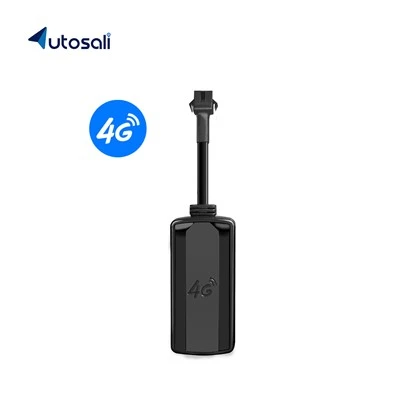
First, let’s get one critical thing straight: hiding a GPS tracker isn’t just about shoving it somewhere small. It’s about understanding how GPS signals work, what blocks them, and how to avoid those blocks while placing your device where it won’t be noticed. I’ve seen customers try to tuck trackers behind metal grilles, inside engine blocks, or in plastic bins full of tools, only to find their device stops sending updates within a day. Metal is the biggest enemy here—especially thick, ungrounded metal like steel engine parts, full fuel tanks, or even the metal frame of a vehicle body. These materials absorb or reflect GPS and cellular signals, making it impossible for the tracker to send data to your monitoring platform. That’s why the first rule of hiding a GPS tracker is: avoid metal at all costs, or at least keep it at least three inches away from metal surfaces.
Let’s start with the most common use case: hiding a tracker in a vehicle. For many of our customers, this is for fleet management or asset recovery, so they need the device to stay hidden for months, or even years, without being noticed. The best spots here are places that are out of the way, exposed to clear sky for GPS, and not easily accessible to someone doing a quick sweep. One of my go-to recommendations is the inside of the frame rail, right behind the front or rear wheel well. The frame rail is a long, hollow metal structure that runs under the vehicle, and the area right above the wheel well has enough space, and enough gap between the frame and the plastic wheel well liner, that GPS signals can still get through. I’ve had customers tell me their trackers here have stayed hidden for over two years, no one’s ever found them, and signal strength remains consistent because it’s not blocked by the thick frame wall (as long as you mount it on the inner side, facing away from the exterior metal of the frame).
Another great spot is under the dashboard, but not just any part of the dashboard. The back side of the glove box, or the area behind the steering column, is often overlooked. People check under the seats, which is a common mistake—anyone doing a basic sweep will look under seats. The area behind the glove box is only accessible if you open the glove box and remove the liner, which most people never do, and it’s close enough to the windshield that GPS signals pass through the plastic dashboard without any issues. Just make sure you don’t mount it on the metal bracket that holds the glove box, because that will block signals. Mount it on the plastic inner liner of the glove box, and it will work perfectly. For larger vehicles like trucks or vans, a great spot is inside the side panel of the cargo area, near the floor. The side panel is plastic or thin fiberglass, so signals come right through, and it’s full of wiring and other parts that make the tracker blend in. I always tell my customers to use double-sided adhesive tape rated for automotive use to mount the tracker here—something that can handle temperature changes and won’t fall off when the vehicle is driving over rough roads.
Now, if you’re dealing with something that’s not a vehicle—like a piece of heavy equipment, a trailer, or even a valuable piece of farm machinery—the rules are a little different. These assets don’t move as frequently as a car, so you have a little more flexibility, but the signal problem is still the same. For trailers, the best spot is inside the spare tire well. Most trailers have a small compartment under the trailer frame where the spare tire is stored, and that area is completely enclosed, so no one will see the tracker even if they look under the trailer. The rubber of the tire doesn’t block GPS signals, and the steel of the wheel rim is thin enough that signals still get through. I’ve had farm customers mount trackers here on combine harvesters and tractors, and they’ve been able to track their equipment across hundreds of acres with no signal issues. For stationary equipment that’s kept in a barn or yard, a simple trick is to mount the tracker inside a hollow plastic storage box that’s already on the equipment. The box will blend in with other plastic parts, and signals will pass through the plastic without any problem.
Wait, let’s talk about what almost never works, because I can’t tell you how many customers come to me with bad ideas they saw on TikTok or online forums. First, don’t hide a tracker in a fuel tank. The metal tank will completely block GPS signals, so you’ll get zero updates, and if you mount it near the fuel pump, the vibration will eventually damage the device. Don’t hide it in the glove compartment or under the seat—like I said before, those are the first places people check during a sweep. Don’t use a metal box to protect the tracker, thinking it will make it more durable. Metal is a signal blocker, so even a small aluminum box will kill your connection. And for the love of all things GPS, don’t leave it lying out in the open on the dashboard. That’s the first place someone will look if they think their vehicle is being tracked.
Now, let’s get into the finer details that separate a hidden tracker from a useless tracker. First, size matters, but not in the way you think. A lot of people think they need the smallest possible tracker to hide it, which is partially true, but you also need to make sure it has a long battery life or a hardwiring option. Many of our customers prefer to hardwire their trackers into the vehicle’s electrical system, so they don’t have to worry about changing the battery every six months. If you go the hardwiring route, make sure you tap into a constant power source, not one that only turns on when the ignition is on. If you tap into an ignition-only source, your tracker will stop sending data every time the vehicle is turned off, which is defeating the whole purpose. Also, when hardwiring, use heat-shrink connectors to cover the wires—exposed wires are a dead giveaway, and they can also cause electrical issues in the vehicle.
Another common mistake I see is not checking signal strength after mounting. Even if you think you’ve found a perfect spot, the only way to know for sure is to turn on the tracker and check your monitoring platform for an hour or two. Walk around the vehicle, go for a drive, and make sure you’re getting consistent updates. If the signal is weak, move it a few inches—sometimes just shifting it away from a small metal bracket or a bolt is enough to get a full signal. I always tell new customers to test their tracker in the spot for 24 hours before leaving it, just to make sure there are no gaps in service.
What about personal trackers, not for vehicles or fleets? A lot of people ask about hiding trackers on a person or their belongings, like a backpack or a suitcase. For these, the rules are a little different because you need the tracker to be small and unobtrusive. The best spot here is inside the lining of a backpack, near the bottom or side pocket. The fabric of the backpack won’t block GPS signals, and it will blend in with the other contents. For a suitcase, tuck it between two layers of clothing, or inside the pocket of a jacket that you pack inside the suitcase. Just make sure you don’t put it in a metal suitcase, because that will block signals. Also, keep in mind that if the person carrying the tracker goes into a building or a basement, GPS signals will be weak, but cellular GPS trackers work indoors much better than old-fashioned GPS-only devices, so that’s a good investment if you need coverage in urban areas or enclosed spaces.
Now, I know some of you might be wondering about privacy concerns. I want to be clear: GPS tracking is legal only when it’s done on your own property, on your own assets, or with the explicit consent of the person being tracked. As a GPS tracker supplier, we strictly adhere to all local and international privacy laws, and we encourage all our customers to use our devices responsibly. If you’re tracking someone who hasn’t given you permission, that’s not only unethical, it’s often illegal, and we will never sell you trackers for that purpose. That’s non-negotiable for our company—we’ve built our business on trust, and we’re not going to compromise that for any sale.
Back to practical tips. If you’re trying to hide a tracker from someone who’s actively looking for it, there are a few extra tricks you can use. First, disable any audio alerts that the tracker might make. Some budget trackers beep when they first turn on, which will give them away. All our trackers have a silent mode, so you can turn that off completely when you’re hiding it. Second, make sure the tracker’s firmware is up to date. Newer trackers have anti-sweep technology that makes them harder to detect with common GPS signal detectors. Old, outdated trackers often have distinct signal signatures that can be picked up by cheap sweepers, so investing in a quality, up-to-date device is just as important as hiding it well.
Let me share a real customer story to illustrate this. A few years ago, I had a customer who owned a moving company. He was concerned that his drivers were taking longer routes to make extra stops during the day, so he wanted to hide trackers in all his delivery vans. He tried a few budget trackers first, and they kept getting found by his drivers, who would then disable them. He came to us, and we recommended our small, hardwired trackers, with silent mode and anti-sweep tech. We walked him through the proper mounting spots, and he chose the inner side of the frame rail, as I mentioned earlier. A month later, he called me, ecstatic—his drivers never found the trackers, and within two weeks, he had proof of the unapproved stops, and was able to adjust his routes to save over 15% on fuel costs. That’s the kind of result we love to see, when a good hiding job paired with the right device makes a real difference for a business.
Another thing to consider is environment. If you’re hiding a tracker outdoors, like on a trailer or a piece of farm equipment, make sure the tracker is weatherproof. All our trackers are IP67 rated, meaning they can handle being submerged in up to a meter of water for 30 minutes, and can withstand extreme temperatures from -20°C to 60°C, which is perfect for outdoor use in most climates. If you buy a cheap, non-weatherproof tracker, it will stop working after a few months of rain, snow, or extreme heat, no matter how well you hide it.
I’ve seen people try all sorts of weird hiding spots over the years: inside a vacuum cleaner, in a bag of dog food, even inside a plastic Easter egg (though that only works if the tracker is small enough, and the plastic doesn’t block signals). My advice is always to keep it simple and practical. The best hiding spots are the ones that are out of the way, have clear signal, and blend in with the surrounding environment—you don’t need to get creative with obscure places. If a spot looks like it’s meant for other parts, that’s where you want to put your tracker.

At the end of the day, hiding a GPS tracker successfully comes down to three core factors: choosing the right device, placing it in a spot that avoids signal blockage, and making sure it’s not easily noticeable. If you skip any of these steps, you’ll end up with a tracker that either doesn’t work or gets found. If you’re in the market for a reliable GPS tracker that’s easy to hide, has long battery life, or can be hardwired, feel free to reach out to our team to discuss your needs. We work with small business owners, fleet managers, and individuals, and we’re happy to help you find the right solution for your specific use case.
Gps Asset Tracker References:
- National Highway Traffic Safety Administration. (2021). Guidelines for Vehicle Telematics and Asset Tracking. U.S. Department of Transportation.
- Federal Communications Commission. (2022). Radio Frequency Interference Mitigation for Wireless Tracking Devices. FCC.gov.
- International Organization for Standardization. (2019). ISO 16750-2: Road Vehicles – Environmental Conditions for Electrical and Electronic Equipment – Part 2: Electrical Loads.
- Electronic Frontier Foundation. (2020). Privacy Best Practices for Consumer Tracking Devices. EFF.org.
- GPS World. (2021). “Signal Attenuation: How Materials Impact GPS Performance.” GPS World Magazine.
AutoSali Digital Technology
As one of the most professional gps tracker manufacturers and suppliers in China, we also support customized service. Please feel free to wholesale bulk advanced gps tracker made in China here from our factory. For pricelist, contact us now.
Address: No 282 Da Shi Street Panyu District Guangzhou, China
E-mail: violachueng@auto-sali.com
WebSite: http://www.autosaligps.com/
