If you’ve ever worked with wood-based materials for furniture, cabinetry, or DIY projects, you’ve probably run into MDF—medium-density fiberboard—at some point. And if you’re like a lot of folks, you’ve probably wondered: can you actually stain MDF, or is it just a no-go? I’ve been in the MDF supply game for over 10 years, and I hear this question all the time from contractors, DIYers, even other builders. Let’s cut through the confusion here, no jargon, just real stuff I’ve seen and worked with firsthand. MDF
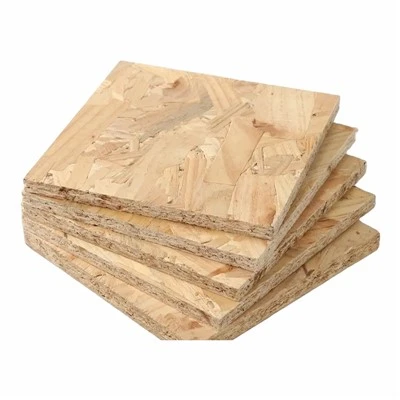
First, let’s get one thing straight: MDF isn’t solid wood. It’s made of fine wood fibers mixed with wax and resin, pressed super tight under high heat and pressure. That mix is why it’s cheap, smooth, and perfect for things like cabinet doors, wall panels, and desk surfaces—no grain, no knots, super consistent. But that same mix is also the reason staining it feels weird at first. Solid wood soaks up stain evenly because it has those open wood pores. MDF? It’s got a dense, uniform structure, and that wax we mentioned? It repels liquids a little. That’s why a lot of people try to stain MDF and end up with splotchy, uneven mess, or even stain that beads up and won’t stick at all.
But here’s the big news: it is possible to stain MDF—you just can’t do it the way you stain oak or pine. Most people skip the prep step, and that’s where they go wrong. Prep is 90% of the battle with MDF, trust me. Let’s break down what actually works.
First, you need to seal the edges. MDF is super porous if you cut it yourself—when you slice into a sheet, the cross-section is just loose fibers, no wax sealing that inner edge. If you skip sealing the edges, the MDF will soak up way too much stain there, leaving dark, blotchy lines that look terrible. I’ve seen guys finish a whole cabinet panel and then throw it out because they forgot this step. So grab a good-quality oil-based primer (not water-based—water can make MDF swell, which is a disaster) and paint every edge, even if it’s just a cut piece. Let that primer dry completely—usually 24 hours, not 20 minutes like a lot of DIYers do.
Next, sanding the surface right. MDF gets way too smooth if you just take it off the shelf. It’s like pressing a block of felt that’s been ironed flat—too slick. You need to rough it up just enough so the primer can grab, but not so much that you create deep, uneven scratches. Start with 120-grit sandpaper, then move to 220-grit for a super smooth finish. Wipe off every last bit of sanding dust with a tack cloth—if even a little dust is left, the primer will stick to it, and the stain will look uneven later. That’s another common mistake I see.
Once the edges are sealed and the surface is prepped, you can choose your stain type. Oil-based stains are way better for MDF than water-based. Water-based stain can raise the grain on MDF, even if you prepped it right, because MDF’s fibers swell when they get wet. Oil-based doesn’t do that, and it penetrates just enough to give you that wood-like color without messing up the structure. Pro tip: pick a stain that’s a little darker than what you want. MDF tends to absorb stain a little lighter than solid wood, so if you want a medium oak, go for a dark oak stain instead. That way once it’s on, it’ll end up exactly how you pictured.
Wait, some people say to use a wood conditioner first. Is that necessary? Let’s be real—for MDF, a high-quality oil-based primer works just as well, if not better, than a wood conditioner. Conditioner is made for solid wood’s uneven grain, and since MDF has no grain, it’s overkill. But if you already have wood conditioner lying around, it won’t hurt—just skip the extra cost if you’re buying new supplies.
Now, the application part. Don’t slap the stain on with a brush and call it a day. Wait for the primer to be fully dry, then apply the stain evenly with a lint-free cloth or a foam brush (brushes can leave streaks on MDF’s smooth surface). Wipe off the excess stain after 5-10 minutes—this is key. If you leave too much on, it’ll pool in the tiny gaps between fibers and get dark. If you wipe off too little at the edges, that’s where the splotches happen. I always tell people to go with the grain (even though MDF doesn’t have actual grain, run your cloth in the direction of the panel) and make one full pass, then wipe clean with a dry cloth right after. Let it dry for 24 hours before adding a top coat.
What about top coat? You need a top coat, no exceptions. Stain is just color—it won’t protect the MDF from scratches, spills, or moisture. For MDF, a water-based polyurethane is fine, but make sure it’s a satin or semi-gloss, not high-gloss (that can look too plastic on MDF). Or a wipe-on poly is even easier for DIYers—just apply a thin coat, let it dry, sand lightly with 320-grit, wipe off dust, and do another coat. Two thin coats are way better than one thick one, which can peel or bubble.
Now, let’s talk about when you should just skip staining and go for paint instead. A lot of people ask me that, and I get it. If you’re working on a project that needs super even color, or if you don’t want to deal with all the prep steps, paint is totally fine. MDF takes paint like a dream because it’s so smooth—no grain to worry about. But if you want that warm, rustic wood look, staining MDF is doable, it just needs the right prep. I’ve supplied MDF to hundreds of customers who’ve done amazing stained projects—bathroom vanities, built-in bookshelves, even dining tables. It’s not impossible, it’s just not as simple as grabbing a can of stain and going to town.
Wait, let’s clear up a common myth I hear all the time: MDF is too cheap to look good stained. No way. A properly stained MDF project looks just like solid wood to the untrained eye—you’d be hard-pressed to tell the difference if you didn’t look super close. The only giveaways are if you skipped the prep steps. I’ve had customers tell me they saved thousands by using MDF instead of solid oak for their kitchen cabinets, and they never regret it once they finished the staining right.
Now, a few mistakes I see way too often that you can avoid:
- Forgetting to seal the cut edges: This is the #1 cause of splotchy stain on MDF. If you cut a sheet yourself, those edges are wide open to stain absorption. Prime them, always.
- Sanding too much or too little: Too little, and the primer won’t stick. Too much, and you leave deep scratches that stain will fill in unevenly. Stick to 120 then 220 grit, and don’t sand beyond that.
- Using water-based stain: It raises MDF’s grain, and can cause the surface to swell slightly. Oil-based is the way to go, hands down.
- Applying too thick a stain coat: Thin, even coats are better. Thick coats will pool and get dark in patches.
Now, if you’re working on a big project, like a whole set of cabinets or a built-in wall unit, I always recommend ordering pre-cut MDF from a supplier that can do edge-sealing for you. A lot of suppliers (including ours) can prime all edges and the surface before you even get the sheet, which cuts your prep time in half. That’s a huge time-saver, especially for contractors who do multiple jobs a week. We’ve had contractors tell us that pre-primed MDF from us cuts their install time by 30% because they don’t have to seal every edge themselves.
Another thing to note: MDF doesn’t do well in super high-moisture areas, like a bathroom shower or an outdoor deck. Even if you stain and seal it, it will absorb water over time and swell. So reserve stained MDF for indoor projects only—kitchens, bedrooms, living rooms, that kind of thing. If you need something for a bathroom vanity that holds water, use a water-resistant MDF, which is a slightly different blend, and add a couple extra coats of sealer to be safe.
Let’s wrap this up: Can MDF be stained? Absolutely. It just needs the right prep—seal those edges, sand properly, use oil-based stain, apply it thin, and add a top coat. It’s not rocket science, but it is work, and skipping the small steps will ruin your project. If you’re a DIYer who’s never worked with MDF before, start small—practice on a leftover cut piece first before diving into your big project. That way you can test the stain color, see how it absorbs, and adjust before you ruin a whole sheet.

If you’re in the market for MDF sheets, whether pre-primed or raw, for a stained project, we’ve got you covered. We supply high-quality MDF in all sizes, with options for pre-edge-sealed pieces to make your staining job way easier. Whether you’re a DIYer working on your first bookshelf or a contractor doing a whole kitchen reno, we can help you get the right material for your project. Reach out to our team to chat through your needs, get a quote, or ask any other questions you have about working with MDF.
Plywood References:
- Woodwork Junkie. (n.d.). "Can You Stain MDF? A Complete Guide to Staining Medium-Density Fiberboard." Retrieved from woodworkjunkie.com
- The Family Handyman. (2021). "How to Prep and Stain MDF for a Smooth Finish." Retrieved from familyhandyman.com
- APA – The Engineered Wood Association. (2020). "Properties and Uses of Medium-Density Fiberboard (MDF)." Retrieved from apawood.org
Linyi Golden Highland Supply Chain Co., Ltd.
As one of the most professional mdf manufacturers and suppliers in China, we’re featured by quality products and good price. Please rest assured to wholesale durable mdf made in China here from our factory. Contact us for more details.
Address: Room 2601, Building 9, Hongxing International Plaza, Intersection of Jinan Road and Xiaohe Road, Liuqing Street, Lanshan District, Linyi City, Shandong Province
E-mail: richard@heyiwood.com
WebSite: https://www.goldenhighlandcn.com/
