As a supplier of electrical tower stands, I’ve witnessed firsthand the intricate challenges that come with maintaining these vital structures. Electrical tower stands are the backbone of power transmission systems, ensuring the reliable delivery of electricity across vast distances. However, their upkeep is no small feat and involves navigating a multitude of technical, environmental, and regulatory hurdles. In this blog, I’ll delve into the key challenges we face in maintaining electrical tower stands and how we tackle them to ensure the continued operation of our power grids. Electrical Tower Stand
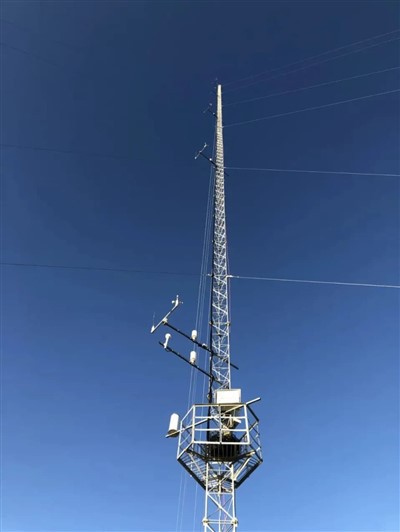
Structural Integrity
One of the primary challenges in maintaining electrical tower stands is ensuring their structural integrity over time. These towers are constantly exposed to harsh environmental conditions, including high winds, heavy snow, ice storms, and seismic activity. Over years of exposure, these elements can cause wear and tear on the tower components, leading to corrosion, fatigue, and even structural damage.
Corrosion is a particularly significant concern, especially in coastal areas or regions with high humidity. The presence of saltwater or moisture in the air can accelerate the rusting process, weakening the steel components of the tower. To combat corrosion, we use high – quality galvanized steel during the manufacturing process. Galvanization provides a protective zinc coating that acts as a barrier between the steel and the environment. Additionally, regular inspections are carried out to detect early signs of corrosion. When corrosion is identified, we use specialized coatings or perform re – galvanization to prevent further damage.
Fatigue is another issue that can affect the structural integrity of electrical tower stands. The constant vibration caused by wind, electrical currents, and passing traffic can lead to the development of cracks in the tower’s joints and members over time. To address this, we design our towers with proper load – bearing capacities and use advanced engineering techniques to minimize stress concentrations. During maintenance, we use non – destructive testing methods such as ultrasonic testing and magnetic particle inspection to detect hidden cracks. If a crack is found, immediate repairs are made, which may involve welding or replacing the damaged component.
Environmental Challenges
Electrical tower stands are also subject to a wide range of environmental challenges. Extreme weather events, such as hurricanes, tornadoes, and wildfires, can cause significant damage to the towers. Hurricanes, with their strong winds and flying debris, can knock down entire towers or break their components. Tornadoes, due to their extremely high – speed winds, can cause even more severe damage in a short period.
Wildfires pose a different kind of threat. The intense heat from a wildfire can weaken the steel structure of the tower, making it more susceptible to collapse. In the aftermath of a wildfire, we conduct thorough inspections of the affected towers. If the heat has caused the steel to lose its strength, we may need to replace the entire tower or at least the severely damaged sections.
In addition to extreme weather events, the growth of vegetation around electrical tower stands can also be a challenge. Trees and shrubs that grow too close to the towers can interfere with the electrical lines, causing short – circuits or power outages. We have a regular vegetation management program in place to ensure that all plants within a certain radius of the towers are trimmed or removed. This requires careful planning to avoid disturbing local ecosystems while maintaining the safety and reliability of the power supply.
Electrical System Maintenance
The electrical components installed on the tower stands are just as important as the structural elements. These components include insulators, conductors, and transformers. Maintaining the electrical system is crucial for preventing power outages and ensuring the efficient transmission of electricity.
Insulators are designed to prevent the flow of electrical current from the conductors to the tower structure. Over time, insulators can become contaminated with dirt, dust, and other pollutants, which can reduce their insulating properties. This can lead to electrical leakage and even flashovers, which are dangerous and can cause significant damage to the tower and the surrounding area. To prevent this, we perform regular cleaning and inspection of the insulators. In some cases, we may need to replace the insulators if they are severely damaged or contaminated.
Conductors carry the electrical current from one point to another. They are often exposed to the elements and can experience wear and tear due to factors such as wind, ice, and thermal expansion and contraction. We regularly check the conductors for signs of damage, such as corrosion, sagging, or broken strands. If any issues are detected, we take immediate action to repair or replace the conductors to ensure a continuous and reliable power supply.
Regulatory and Safety Compliance
Maintaining electrical tower stands also requires strict adherence to a variety of regulations and safety standards. These regulations are in place to protect the public, the environment, and the integrity of the power grid. Compliance can be a complex and time – consuming process, as regulations can vary from region to region.
We must ensure that all our towers are built and maintained in accordance with the relevant national and international standards. This includes standards for structural design, electrical safety, and environmental protection. For example, the tower foundations must be designed to withstand the expected loads and seismic activity in the area. The electrical components must meet the safety standards to prevent electrical hazards.
In addition to construction and maintenance standards, we also need to comply with safety regulations during the maintenance process. Workers accessing the towers must be properly trained and equipped with the necessary safety gear, such as harnesses and helmets. We also need to follow strict safety procedures when working near live electrical lines to prevent accidents.
Access and Logistics
Another challenge in maintaining electrical tower stands is access to the towers. Many towers are located in remote areas, such as mountains, forests, or deserts, which can make it difficult to reach them. In addition, the terrain around the towers may be rough and uneven, making it challenging to transport equipment and materials.
To overcome these access issues, we use specialized vehicles and equipment, such as all – terrain vehicles and helicopters. These vehicles can navigate through difficult terrain and transport workers and materials to the towers. However, the use of such vehicles can be expensive and requires careful planning to ensure their safe operation.
Logistics also play a crucial role in tower maintenance. We need to ensure that we have the right tools, materials, and spare parts available at the right time. This requires effective inventory management and supply chain coordination. If a critical part is not available when needed, it can delay the maintenance process and potentially lead to power outages.
Cost Management
Maintaining electrical tower stands is a costly endeavor. The expenses include labor costs, the cost of materials, equipment rental, and compliance with regulations. Balancing the need for effective maintenance with the cost constraints is a constant challenge.
We are constantly looking for ways to optimize our maintenance processes to reduce costs without compromising on quality. This includes using more efficient inspection techniques, such as drones, which can provide detailed images of the towers at a lower cost compared to traditional inspection methods. We also work closely with our suppliers to negotiate better prices for materials and spare parts.
Conclusion
Maintaining electrical tower stands is a complex and challenging task that requires a comprehensive approach. From ensuring structural integrity to overcoming environmental challenges, managing the electrical system, complying with regulations, dealing with access and logistics issues, and controlling costs, there are many factors to consider.
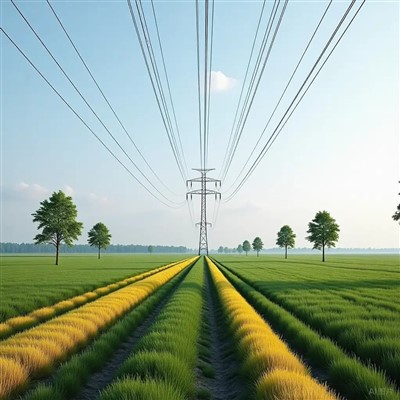
As a supplier of electrical tower stands, we are committed to providing high – quality products and services to our customers. We understand the importance of these structures in the power transmission system and are constantly working to improve our maintenance processes to ensure their long – term reliability.
Overhead Line Tower If you are in the market for electrical tower stands or need assistance with their maintenance, I encourage you to get in touch with us. We have the expertise and experience to help you meet your needs. Our team of professionals is ready to discuss your requirements and provide you with customized solutions.
References
- American Society of Civil Engineers (ASCE). Standard for the Design of Steel Transmission Towers.
- International Electrotechnical Commission (IEC). Standards for Electrical Insulators and Conductors.
- Occupational Safety and Health Administration (OSHA). Safety Regulations for Working on Electrical Towers.
Hebei Yifeng Steel Structure Co., Ltd.
As one of the most professional electrical tower stand manufacturers and suppliers in China, we offer a wide range of products with superior quality. Please feel free to buy cost-efficient electrical tower stand for sale here from our factory. Contact us for more details.
Address: Guangchuan Town Industrial Zone, Jing County, Hengshui City, Hebei Province
E-mail: hbyfgjg@163.com
WebSite: https://www.yf-powertowers.com/
