As a supplier of Active Pharmaceutical Ingredients (APIs), I’ve witnessed firsthand the profound impact these substances have on drug efficacy. APIs are the core components of pharmaceutical products, responsible for producing the desired therapeutic effects. In this blog, I’ll delve into how APIs affect drug efficacy, exploring various factors that influence their performance and the significance of high – quality APIs in the pharmaceutical industry. Active Pharmaceutical Ingredient
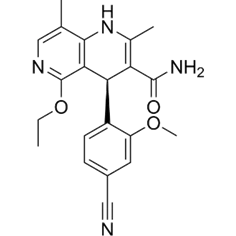
1. The Role of APIs in Drug Efficacy
APIs are the biologically active components of drugs. They interact with specific targets in the body, such as enzymes, receptors, or ion channels, to produce a therapeutic effect. For example, in antibiotics like penicillin, the API inhibits the synthesis of bacterial cell walls, leading to the death of bacteria. In the case of antihypertensive drugs, the API may act on blood vessels to relax them, thereby reducing blood pressure.
The purity of an API is crucial for drug efficacy. Impurities in an API can not only reduce the potency of the drug but also cause unwanted side effects. For instance, if a batch of an API used in a pain – reliever contains impurities, these impurities might interact with other substances in the body, leading to allergic reactions or other adverse events. High – purity APIs ensure that the drug can deliver the intended therapeutic effect with minimal risk of side effects.
2. Physicochemical Properties of APIs and Drug Efficacy
Solubility
The solubility of an API is a key factor in drug efficacy. If an API is poorly soluble in the physiological fluids of the body, it may not be absorbed effectively. For example, many newly developed drugs have low solubility, which can limit their bioavailability. To overcome this issue, pharmaceutical companies often use techniques such as micronization or the development of prodrugs. As an API supplier, we work closely with our clients to optimize the solubility of the APIs we provide. By modifying the particle size or chemical structure of the API, we can enhance its solubility and improve the overall efficacy of the drug.
Stability
The stability of an API also affects drug efficacy. APIs can be susceptible to degradation under various conditions, such as exposure to heat, light, or moisture. For example, aspirin (the API in many pain – relievers) can hydrolyze in the presence of water, resulting in the formation of salicylic acid and acetic acid. This degradation can reduce the potency of the drug and may also increase the risk of side effects. As an API supplier, we ensure that our APIs are packaged and stored under appropriate conditions to maintain their stability. We also conduct rigorous stability testing to determine the shelf – life of our APIs and provide our clients with accurate information on storage and handling.
3. API Manufacturing Processes and Drug Efficacy
Synthesis Methods
The synthesis method used to produce an API can have a significant impact on its quality and efficacy. Different synthesis routes can result in variations in the purity, crystal form, and particle size of the API. For example, a new synthesis method may produce an API with a more uniform particle size distribution, which can improve its dissolution rate and bioavailability. As an API supplier, we invest in research and development to improve our synthesis methods. We work to develop more efficient and environmentally friendly synthesis routes that can produce high – quality APIs with consistent properties.
Quality Control
Quality control during the API manufacturing process is essential for ensuring drug efficacy. At our company, we follow strict quality control procedures at every stage of production. We use advanced analytical techniques, such as high – performance liquid chromatography (HPLC) and mass spectrometry, to analyze the purity and identity of our APIs. We also conduct tests for impurities, residual solvents, and heavy metals. By maintaining high – quality control standards, we can guarantee that our APIs meet the requirements of pharmaceutical companies and regulatory agencies.
4. Compatibility of APIs with Excipients
Excipients are inactive ingredients in a drug formulation that are used to support the stability, delivery, and administration of the API. The compatibility of an API with excipients is crucial for drug efficacy. For example, some excipients can interact with the API, leading to the formation of complexes or degradation products. If an API is not compatible with the excipients used in a formulation, it may result in reduced bioavailability or altered pharmacokinetics.
As an API supplier, we provide our clients with information on the compatibility of our APIs with different excipients. We also conduct joint research projects with pharmaceutical companies to optimize drug formulations. By ensuring the compatibility of APIs with excipients, we can help our clients develop drugs with better efficacy and fewer side effects.
5. The Significance of High – Quality APIs for the Pharmaceutical Industry
In the pharmaceutical industry, the quality of APIs is directly related to patient safety and drug efficacy. High – quality APIs can lead to more effective treatments, fewer side effects, and better patient outcomes. For example, in the fight against cancer, high – quality APIs used in chemotherapy drugs can improve the survival rate and quality of life of cancer patients.
As an API supplier, we play a vital role in the pharmaceutical value chain. We are committed to providing high – quality APIs that meet the strictest regulatory standards. Our products are used by pharmaceutical companies around the world to develop life – saving drugs. By ensuring the quality and efficacy of our APIs, we contribute to the overall well – being of patients.
6. Contact for API Sourcing and Collaboration
If you are a pharmaceutical company looking for high – quality APIs, we are here to help. Our company has extensive experience in API manufacturing and supply. We offer a wide range of APIs with different specifications and are committed to providing customized solutions to meet your specific needs.
Whether you are in the early stages of drug development or need a reliable supplier for large – scale production, we can provide you with the support and products you require. Our team of experts is available to answer your questions and work with you to develop the best API solutions for your drugs.
Digestive System Agents Feel free to reach out to us to start a conversation about API sourcing and collaboration. We look forward to the opportunity to work with you and contribute to the development of effective and safe drugs.
References
- Goodman, L. S., & Gilman, A. (Eds.). (2006). Goodman and Gilman’s The Pharmacological Basis of Therapeutics. McGraw – Hill.
- Dressman, J. B., & Blume, M. (2003). Physiological and methodological barriers to oral drug delivery in pediatrics and the elderly. Advanced Drug Delivery Reviews, 55(6), 761 – 778.
- Parrott, N. J. (2011). Pharmaceutical Process Validation: A Practical Approach. Society for Laboratory Automation and Screening.
HK Neopharm Limited
HK Neopharm Limited is one of the most professional active pharmaceutical ingredient manufacturers and suppliers in China, also supports customized service. Welcome to buy high quality active pharmaceutical ingredient in stock here and get quotation from our factory. For price consultation, contact us.
Address: Room W Unit 6086/f Metro Loft 38kwai Hei St Kwai Chung, Hong Kong
E-mail: sales@hkneopharm.com
WebSite: https://www.hkneopharm.com/
